Hearth Removal in Bergen County, NJ
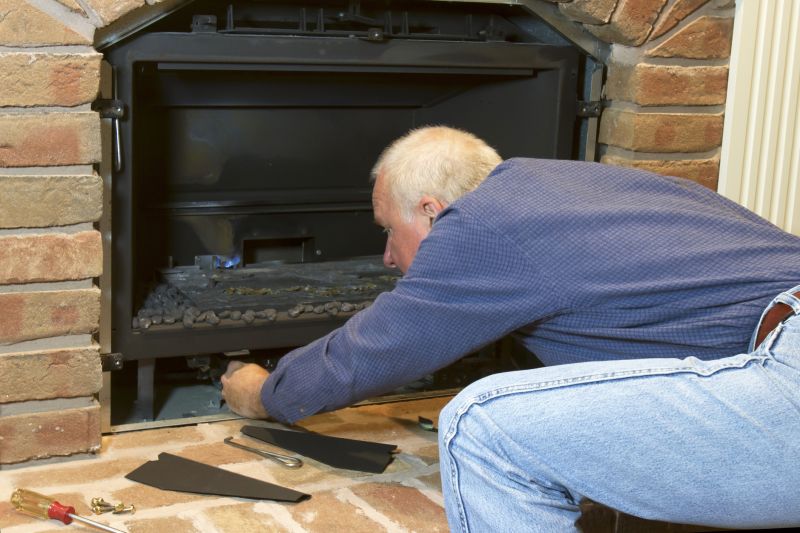
Hearth removal services involve the professional dismantling and removal of existing fireplaces, including the hearth, mantel, and surrounding structures. These projects typically include removing old, unused, or damaged fireplaces to create a cleaner, more open space within a home or property. Homeowners often request hearth removal when planning renovations, remodeling, or updates to interior design, or when a fireplace no longer functions or no longer fits the aesthetic of the space.
Before requesting hearth removal, property owners should consider the structural aspects of the fireplace and surrounding areas, including any potential impact on the integrity of the wall or chimney. It is also important to understand whether any permits or inspections are required for the removal process, especially if the fireplace is connected to a venting system or chimney. Clarifying these details can help ensure the project proceeds smoothly and aligns with local building codes and safety standards.
Many property owners in Bergen County, NJ look into Hearth Removal for repairs, replacements, upgrades, and appearance-related improvements.
Hearth Removal Options
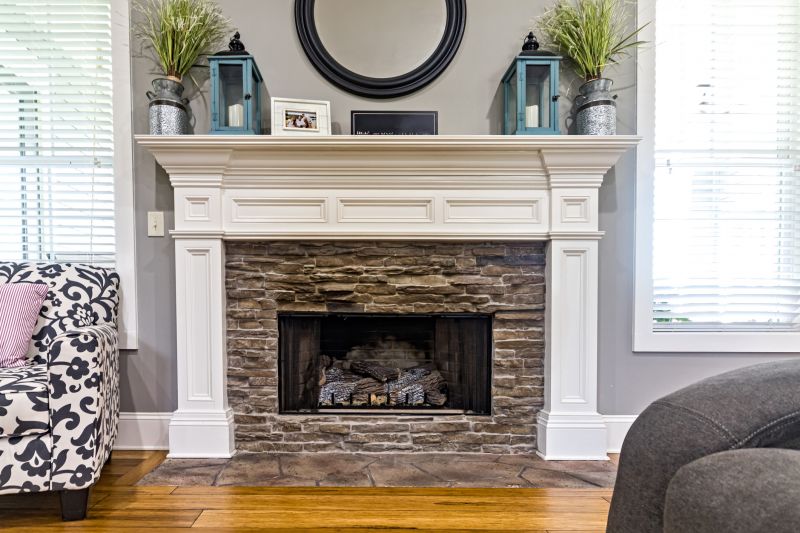
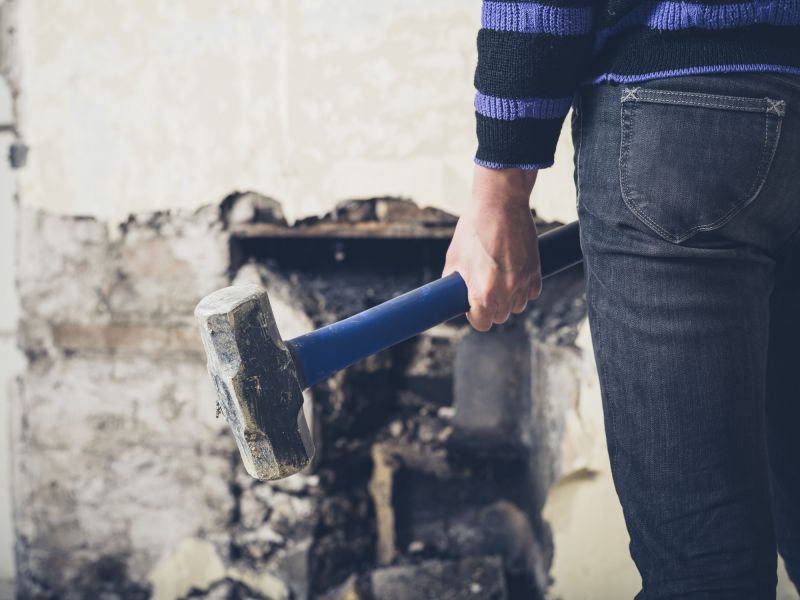
Services include removing traditional brick, stone, or metal fireplaces to update your living space.
Safety And Code Compliance
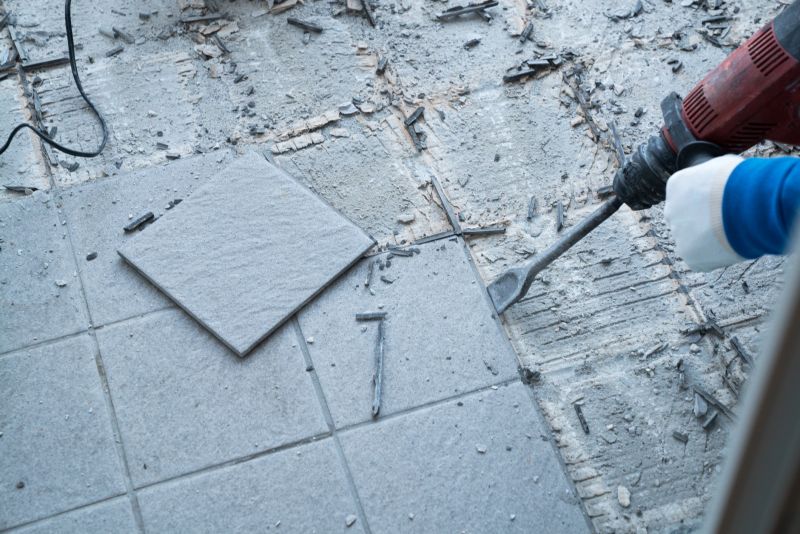
Proper hearth removal ensures safety and meets local building regulations in bergen county and nearby areas.
Post-Removal Finishing
After removal, spaces can be restored or redesigned to enhance the overall look of your home interior.
Hearth Removal in Bergen County, NJ
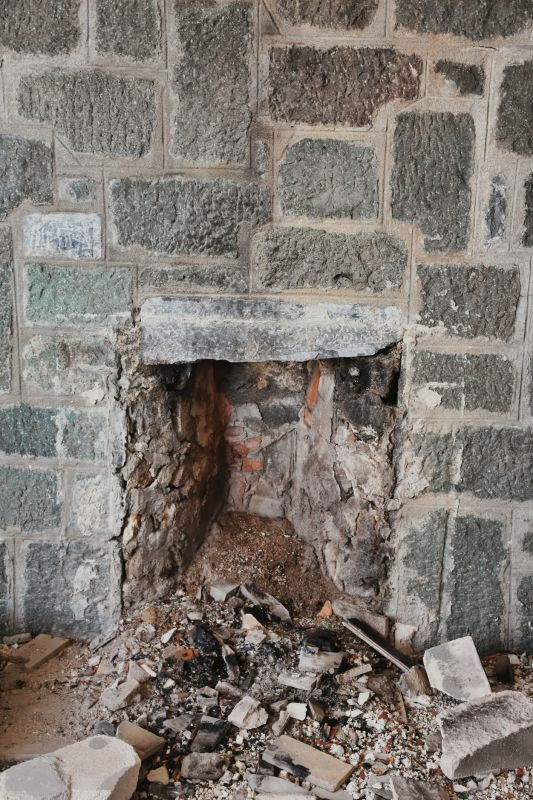
Hearth removal services involve the professional dismantling and removal of existing fireplaces, including the hearth, mantel, and surrounding structures. These projects typically include removing old, unused, or damaged fireplaces to create a cleaner, more open space within a home or property. Homeowners often request hearth removal when planning renovations, remodeling, or updates to interior design, or when a fireplace no longer functions or no longer fits the aesthetic of the space.
Before requesting hearth removal, property owners should consider the structural aspects of the fireplace and surrounding areas, including any potential impact on the integrity of the wall or chimney. It is also important to understand whether any permits or inspections are required for the removal process, especially if the fireplace is connected to a venting system or chimney. Clarifying these details can help ensure the project proceeds smoothly and aligns with local building codes and safety standards.
Many property owners in Bergen County, NJ look into Hearth Removal for repairs, replacements, upgrades, and appearance-related improvements.
Common Hearth Removal Jobs
Fireplace Removal - safely dismantles and removes outdated or non-functional fireplaces.
Chimney Removal - clears obsolete chimneys to improve safety and property value.
Stone or Masonry Hearth Removal - removes heavy hearths to accommodate renovations or upgrades.
Gas Fireplace Removal - disconnects and removes gas appliances for safety and modernization.
Wood Stove Removal - safely takes out wood stoves during home updates or repairs.
Fireplace Surround Removal - eliminates decorative surrounds to prepare for new finishes or installations.
Hearth Removal Questions
What types of hearths can be removed? Hearth removal services typically handle brick, stone, and metal hearths, regardless of size or style.
Is the removal process disruptive to the surrounding area? The process is planned to minimize disturbance to flooring and nearby surfaces during removal.
What should be done with the debris after removal? Debris from hearth removal is usually cleared and disposed of according to local regulations.
Are there options for repurposing the hearth materials? Some materials can be salvaged for reuse or recycling, depending on their condition and type.
Request Hearth Removal in Bergen County, NJ
Use the quote form on this page to share the basics of your project and request more information for the type of work you need.